Jeffrey Epstein pressured a media mogul he had business dealings with to suppress coverage of allegations that he sexually abused girls, according to documents recently released by the U.S. Department of Justice.
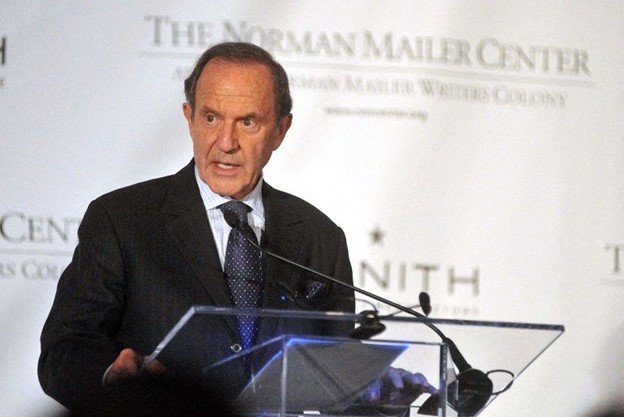
The files reveal that Epstein leveraged both personal and professional ties with Canadian-American billionaire Mortimer Zuckerman to influence how the New York Daily News reported on accusations against him following his 2008 conviction for soliciting a minor for prostitution.
After contacting Zuckerman, who was the Daily News owner at the time, the newspaper initially delayed reporting the allegations and later omitted details that Epstein had specifically requested, according to the documents.
In an email dated October 9, 2009, Epstein shared a “proposed answer” to questions from the newspaper with Zuckerman, disputing claims made against him and his associate Ghislaine Maxwell, now serving a 20-year sentence for child sex trafficking.
The allegations, raised by Daily News journalist George Rush, included claims that Epstein and Maxwell had subjected a minor identified as “Jane Doe No 102” to repeated sexual abuse and had engaged in sexual encounters with “various underage girls.” The accusations also stated that Maxwell maintained a computer database of “hundreds of girls” and managed the schedule of those who visited Epstein’s residences.
In the proposed response sent to Zuckerman, Epstein denied any sexual contact with Jane Doe No 102 and asserted that she had admitted under oath to working as “an escort, call girl, and massage parlor worker since age 15.” He described the allegations as “malicious fabrications” aimed at securing higher settlements from his accusers’ attorney, Bradley J. Edwards.
Later that day, Zuckerman informed Epstein via email that the Daily News was “doing major editing over huge objections” and promised to send a copy of the edits. Epstein replied, urging, “take Ghislaine out. if possible,” and described the plaintiff’s sworn statements as inconsistent. Zuckerman responded, asking Epstein to call him, and the correspondence continued that evening.
The Daily News eventually published a story on December 19, 2009, reporting that Epstein had reached a settlement with one accuser for an undisclosed sum. While noting that Epstein faced “more than a dozen” lawsuits from women alleging sexual abuse, the article made no mention of Maxwell or the broader allegations against her.
Zuckerman, a prominent supporter of Israel and former head of the America-Israel Friendship League and the Conference of Presidents of Major American Jewish Organizations, has never been accused of involvement in Epstein’s crimes.
George Rush, who left the Daily News in 2010, confirmed that Epstein had attempted to “cajole” Zuckerman, now owner of U.S. News & World Report, into shaping the coverage in Epstein’s favor. Rush said the paper delayed publication after Epstein requested an off-the-record interview and used the discussion to portray himself as a victim of aggressive lawyers and prosecutors.
Rush noted that Zuckerman never suggested killing the story or making it favorable to Epstein, though he recalled being told to leave Maxwell out. Legal concerns about libel, Rush said, made it a “necessary compromise.” He described Epstein’s attempts to influence the owner as arrogant but was relieved the story was only delayed, not suppressed.
Zuckerman’s connection to Epstein spanned more than two decades. In 2005, Zuckerman, who owned The Atlantic from 1984 to 1999, collaborated with Epstein on a short-lived relaunch of the magazine Radar. He was also among prominent figures sending Epstein well-wishes for his 50th birthday in 2003.
The DOJ files reveal a closer relationship than previously known. In 2008, Zuckerman sought Epstein’s advice on estate planning, sharing sensitive financial information, including a copy of his will and an asset evaluation estimating his net worth at $1.9 billion. In 2013, Epstein drafted agreements to provide Zuckerman with services for analyzing and planning his wealth, initially proposing a $30 million fee, later revised to $21 million. Emails suggest Zuckerman valued Epstein’s financial advice, describing him as an “invaluable friend” and “provocateur.”
It remains unclear if Zuckerman ever signed the agreements. The documents show frequent communication, including dinners and meetings at Epstein’s Manhattan home. Epstein’s assistant Lesley Groff detailed multiple appointments, while emails from Zuckerman indicate he regarded Epstein not only as a financial consultant but also as a friend.